
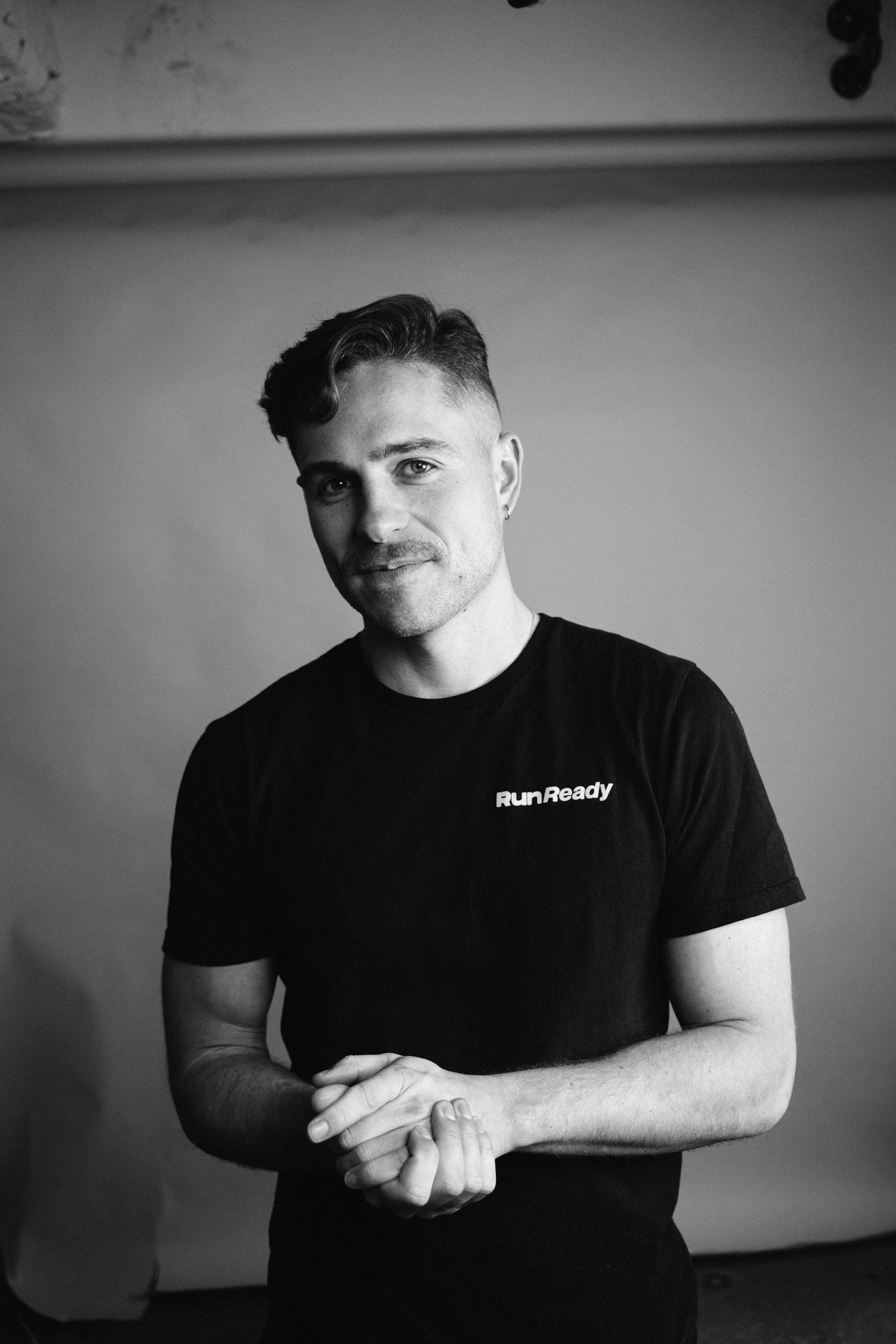
 Sean Sawer
You might feel fine at first, only for pain or injuries to develop as you run more each week closer to race day.
It's frustrating, especially when you've followed your plan consistently. But following a training plan doesn't necessarily mean your body was prepared for everything that plan would eventually ask of it.
That's why October and November are worth thinking about. Preparing your body before January gives you time to work on your strength, mobility and ability to handle running loads before training gets harder, rather than trying to address those limitations when you're already increasing your kilometres.
Your Body Needs To Handle More Than Race Day
Marathons require a lot from your body. The average marathon runner takes roughly 45,000 to 55,000 steps during the race alone, before you consider all the running it takes to reach the starting line.
A marathon training block typically lasts at least 16 weeks, averaging around 60 kilometres of running per week. With every step, your body repeatedly absorbs force, often while dealing with high levels of fatigue.
That's a lot of stress to manage, which is why preparing for those demands should begin before your training block starts.
Why Following Your Training Plan Isn't Always Enough
In physiotherapy, there's a concept called load versus capacity. Load is the amount of stress you place on your body through training. Capacity is how much of that stress your body can handle.
Improving your capacity requires progressively increasing your training load. But when that load increases too quickly or stays consistently higher than what your body can tolerate, your capacity may not keep up, which is when injuries can occur.
This helps explain why you might feel fine during January's earlier training weeks but start experiencing problems as your running volume increases in March or April.
Managing your training load matters, but so does improving your body's capacity before training begins.
Your Body Needs To Move In More Than One Direction
One area to consider before training is your biomechanics, or how your body moves when you run.
Most of us think about running as a forward movement. Your knees drive forward, your arms swing and your ankles help push you up and ahead.
These movements primarily happen in the sagittal plane, which describes forward and backward movement.
But your body also moves in two other directions. The frontal plane describes side-to-side movement, while the transverse plane describes rotation.
These movements are important for how your body absorbs force. When you're repeatedly landing on one foot after another during a marathon, your body can't rely exclusively on forward and backward movement to manage that load.
Your ankles and feet are a good example.
If your ankle only absorbed load through forward and backward movement, your Achilles tendon could become overloaded, potentially leading to pain.
Your foot also moves through pronation, a natural movement where the foot rolls inward as it accepts weight. This allows your foot and ankle to manage load through side-to-side and rotational movement.
Instead of relying on a single hinging movement, like a door opening and closing, your body can manage load through different directions, helping prevent excessive stress on the Achilles tendon.
What Happens When Your Body Can't Absorb Load Well?
You might not know whether your body is managing these movements effectively, especially if you're currently running without pain.
For example, is your foot pronating effectively? Is your ankle moving well enough to absorb load through different directions, or could your Achilles tendon be taking on more stress than it should?
You could start marathon training and see how your body responds as the kilometres increase. But if a limitation only becomes noticeable several weeks into training, you're now trying to address it while training demands are already higher.
Identifying those limitations beforehand gives you more time to work on them.
At RunReady, our Movement Assessment looks at how your body manages load through all three planes of movement, including how your ankles and feet move.
From there, your RunReady physiotherapist can identify areas that need work and create an exercise program focused on improving movement and control.
These exercises can help increase your range of motion and strength in the areas needed to support your body's capacity to handle running, reducing the risk of injury as training progresses.
The Checkpoint
If you're preparing for the BMO Vancouver Marathon or another spring race in 2027, January is when your training plan begins, but preparing your body for those demands can start earlier.
October and November give you time to understand how your body handles load and improve areas that may need work before your training volume increases.
The goal is to enter January better prepared for the harder weeks ahead, reducing the risk of pain or injury interrupting your training closer to race day.
Written By
Sean Sawer
Sean has helped runners at every level move better and run smarter, and he’s put his own training to the test at the Boston Marathon. He leads run workouts that build your distance, speed, and confidence step by step.